

SENSORY • NEURODIVERGENT • PERSON-CENTERED
Sensory & Neurodivergent Support
Thoughtful gifts and practical supports chosen around sensory preferences, regulation, everyday needs, interests, and the ways each person naturally experiences the world.
SENSORY & NEURODIVERGENT GIFT GUIDES
Start With The Person
There is no one-size-fits-all sensory or neurodivergent gift. Begin with the person—their preferences, needs, interests, and what already helps them feel comfortable and supported.
ADHD Adults
Practical, respectful gifts for focus, organization, movement, comfort, and everyday life.
ADHD Kids & Teens
Supportive gifts for movement, focus, sensory needs, routines, creativity, and growing independence.
Autism
Person-centered gifts chosen around interests, sensory preferences, comfort, communication, and regulation.
Sensory Seekers
Movement, texture, pressure, sound, and hands-on experiences for people who enjoy or benefit from more sensory input.
Sensory-Sensitive
Gentler options for people who may prefer less noise, light, texture, scent, clutter, or stimulation.
Transitions & Change
Practical supports that can add predictability, structure, comfort, or familiarity when routines and expectations shift.
Support for when Life Happens
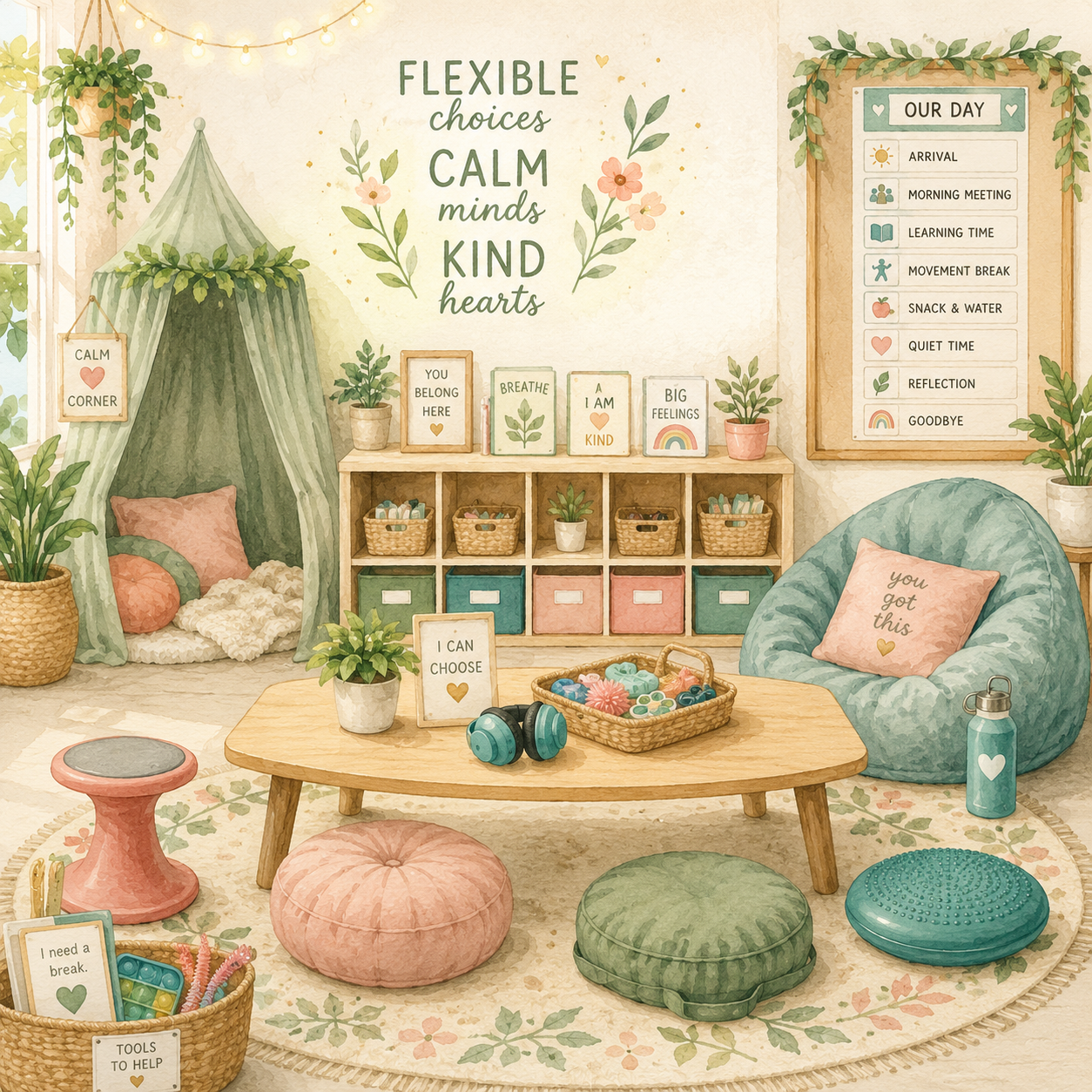
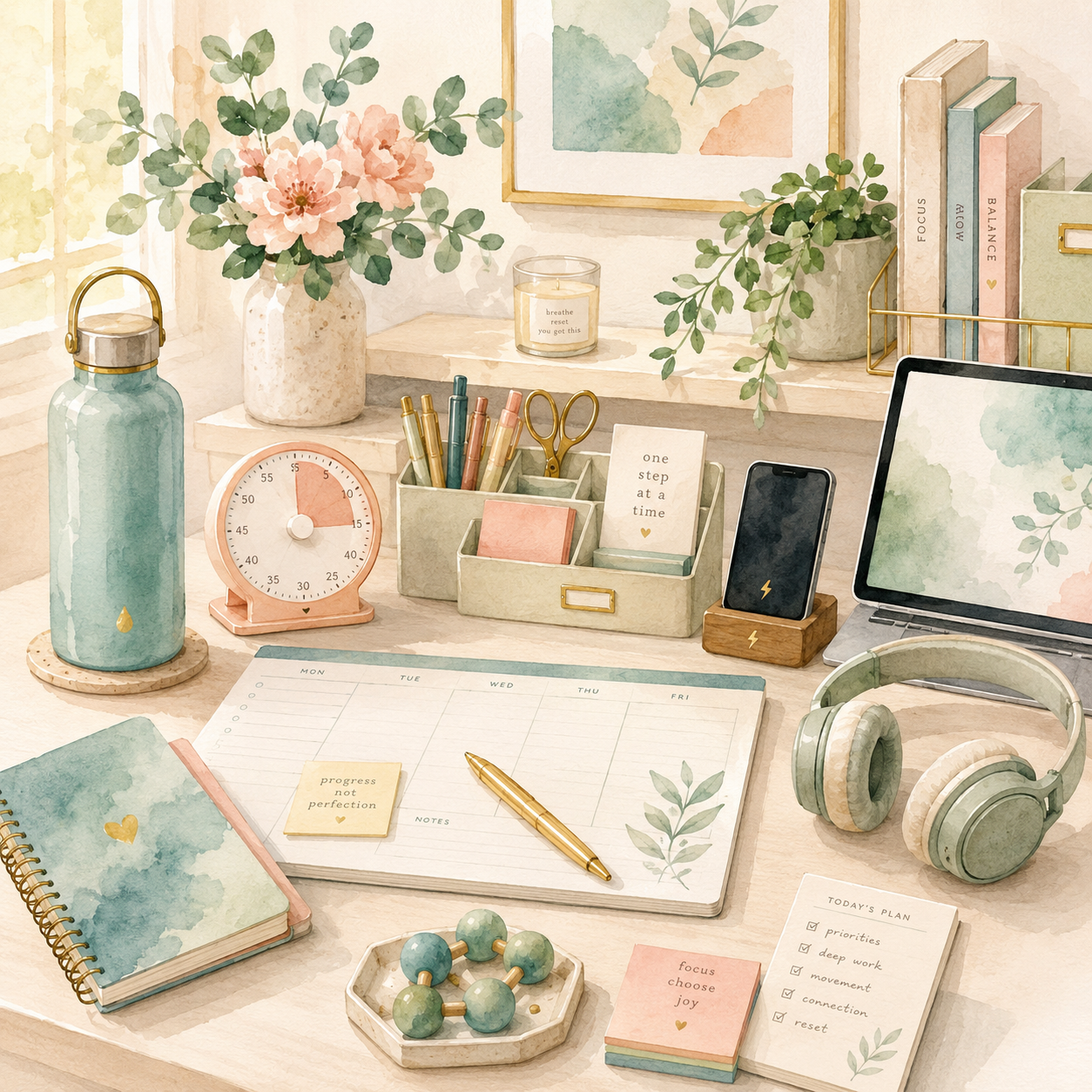

FEATURED SENSORY & NEURODIVERGENT GUIDES
Helpful Places to Begin
Not sure which path fits? These guides focus on common everyday needs and questions while keeping individual preferences at the center.




FIND WHAT FITS
Find Support Around Everyday Life
Start with a sensory preference, an everyday need, or the place where a little extra support could make life feel easier.
By Sensory Preference
By Everyday Need
By setting & Moment
More Movement & Input →
Focus & Attention →
Home & Downtime →
Deep Pressure & Weight →
Planning & Executive Function →
School & Classroom →
Hands-Busy & Tactile →
Time & Task Support →
College & Dorm Life →
Quiet & Low Stimulation →
Emotional Regulation →
Work & Office →
Sound & Hearing Comfort →
Rest & Sleep →
Travel & On the Go →
Light & Visual Comfort →
Transitions & Change →
Overload & Recovery →
You Don’t Have to Find the “Perfect” Sensory Gift
The best choice is not necessarily the product labeled for ADHD, autism, or sensory needs. Often, it is simply something that fits what the person already enjoys, avoids, reaches for, or finds comforting.
The goal is not to change the person. It is to help the environment, task, or moment fit them a little better.
MORE Calm & Regulation Guides __________________________________________________________

Rest, Sleep & Gentle Rest

Focus & Executive Functioning

Calm for Overwhelm

All Calm & Regulation
PERSON FIRST, ALWAYS
Choose Support That Actually Fits
The most useful support begins with the individual—their preferences, comfort, environment, and real life.
Choosing Gifts With the Person in Mind
Start with curiosity, not assumptions. These guides can help you notice preferences and choose support that respects the person receiving it.
Not sure what will feel supportive? Read “How to Choose Sensory-Friendly Gifts for Autism & ADHD” →
Want to avoid common missteps? Read “What NOT to Gift Someone With ADHD or Sensory Sensitivities” →
Support Should Feel Like Support
For one person, regulation may mean movement. For another, it may mean quiet, pressure, repetition, music, dim light, a familiar routine, or something interesting to focus on.
There is no universally calming object and no single way a neurodivergent person should experience the world.
The most thoughtful gift begins with noticing the individual in front of you.
Let the gift quietly say:
“I see what helps you feel comfortable being you.”