
Small Gifts That Make Ordinary Days Feel Special
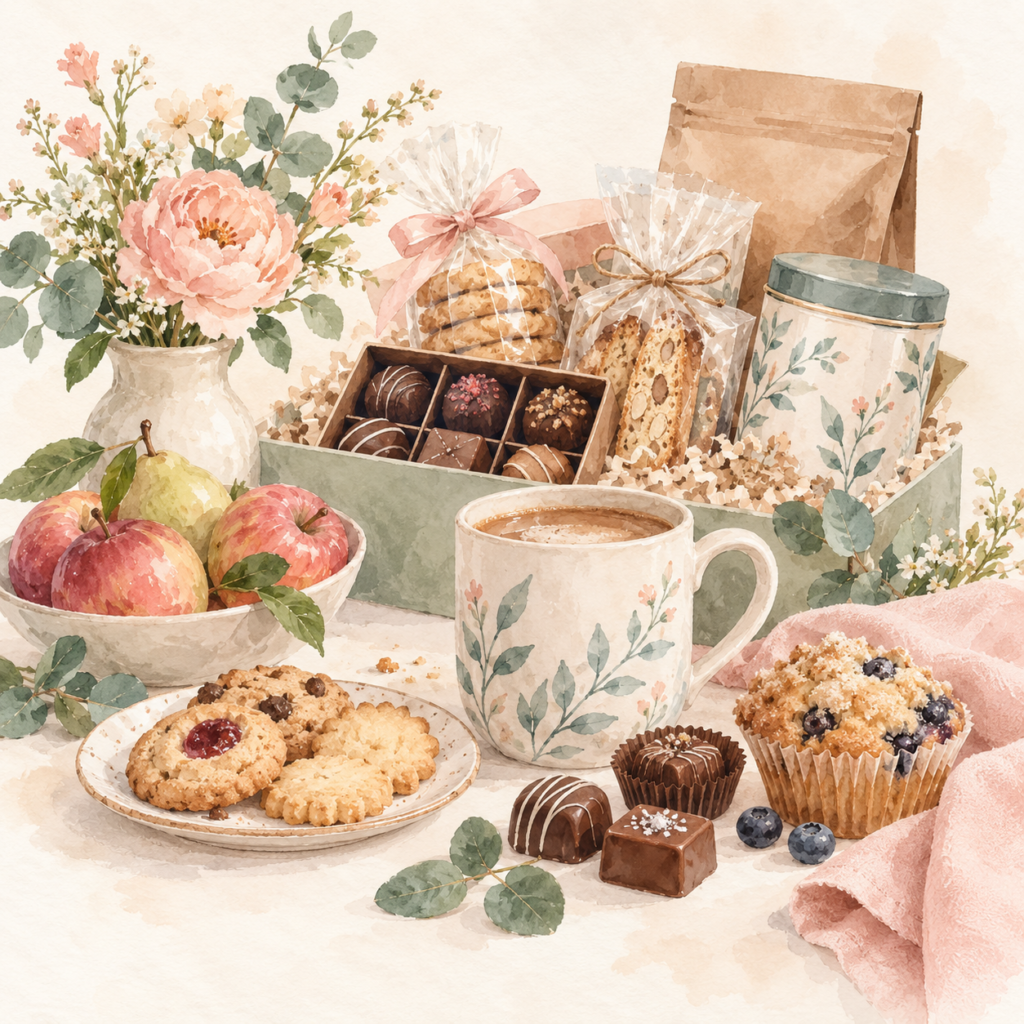
A coffee left on someone’s desk before a meeting they were dreading. A favorite snack tucked into a lunch bag on an entirely unremarkable Tuesday. A small treat waiting after a long, forgettable commute. None of these mark an occasion. That’s exactly the point.
The Research Behind Why This Works
Positive psychology research consistently finds that day-to-day happiness comes more from small, frequent positive moments than from major milestones. A once-a-year vacation and a hundred small Tuesday pleasures aren’t equally weighted in how happy people actually feel over time — the small, frequent version tends to win.
There’s an even more surprising finding behind this: research from Harvard Business School found that people consistently undervalue how meaningful their ordinary moments will become in hindsight. What feels unremarkable today — a specific playlist, an inside joke, a regular Tuesday — often becomes more cherished in memory than people expect, precisely because nobody thought to mark it as special at the time.
That’s what a small, no-occasion gift actually does. It’s not compensating for the day being unremarkable. It’s marking an otherwise-forgettable day as one worth remembering, while it’s still happening.
Small Gifts as a “Savoring” Prompt
Researchers who study savoring — deliberately pausing to notice and stay with a good moment rather than rushing past it — find that people who do this more report meaningfully higher wellbeing, even when their actual circumstances aren’t different from anyone else’s. A small gift can function as exactly this kind of prompt: it interrupts the momentum of an ordinary day just enough to make someone pause and notice it.
This is different from a no-occasion “thought of you” gift in the sense we covered in Why “I Saw This and Thought of You” Is Sometimes the Best Gift — that piece is about trusting the impulse when it strikes. This one is about deliberately building small moments into ordinary days on purpose, as a practice, not just an occasional impulse.
What Actually Works
The best version of this isn’t expensive or elaborate — in fact, elaborate usually works against it, since the whole value is in how effortlessly it fits into a normal day.
Elevate a task they already have to do. A good coffee before a commute. A favorite snack packed for a long day. Something that turns an existing chore into a small pleasure, rather than adding a new task to their day.
Mark a day that has no reason to be marked. A note left somewhere they’ll find it on a random Wednesday, using small notecards kept on hand for exactly this. A small treat with zero explanation attached. The absence of a reason is part of what makes it land.
Make something repeatable, not one-time. A recurring small gesture — the same coffee order dropped off every so often, a standing little tradition — builds the savoring habit over time rather than being a single spike of delight that fades.
Frequently Asked Questions
Doesn’t this get less special if I do it often?
Not if it stays genuinely unpredictable in timing. The research on savoring is about noticing ordinary moments, not about escalating frequency until it becomes expected — an occasional small gesture on a random day keeps its power precisely because it isn’t routine enough to anticipate.
Is this different from just being generally thoughtful day-to-day?
Not really — that’s essentially what this is. The difference is being intentional about it: recognizing that an ordinary Tuesday is worth marking, rather than assuming meaningful gestures only belong on occasions that are already marked on a calendar.
What if the person doesn’t seem to notice or react much?
Savoring research suggests the marking itself has value even when the reaction is understated — a quiet, appreciated gesture doesn’t need a big response to be doing real work in someone’s day.